
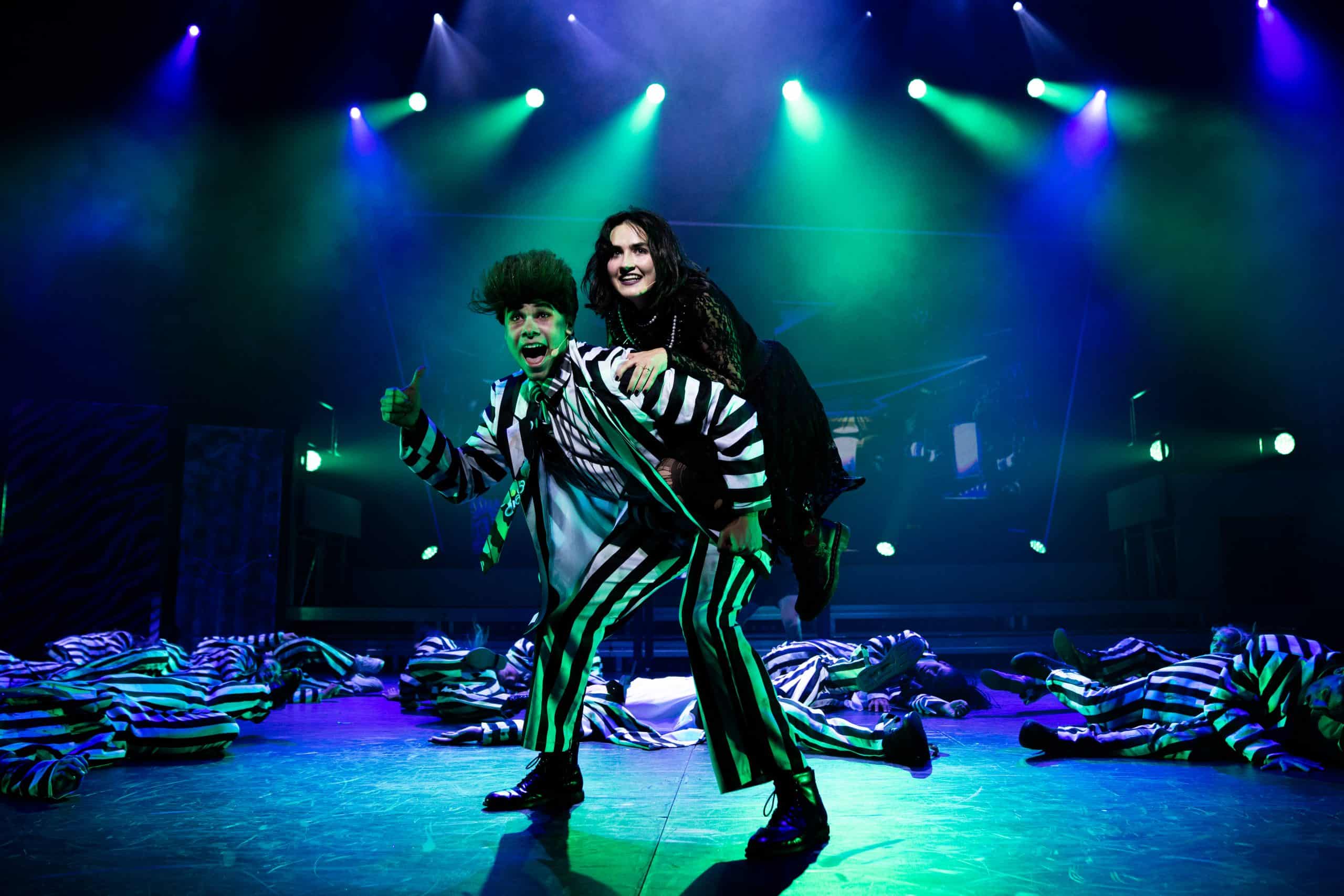
Dance classes offer individuals, both young and old, a structured environment in which to explore the art of movement and rhythm. These kids dance classes go far beyond simply teaching dance steps; they provide a comprehensive learning experience that encompasses various elements crucial to becoming a skilled dancer. Here, we will take a closer look at the essential components of dance classes.
Warm-up and stretching:
Every dance class typically begins with a warm-up session to prepare the body for physical activity. Warm-up exercises increase the heart rate, improve blood circulation, and reduce the risk of injury. Stretching is an essential part of the warm-up, ensuring that muscles are flexible and ready for the demands of dancing.
Basic techniques and footwork:
Fundamental dance techniques and footwork are at the core of dance classes. Instructors teach students the foundational movements, steps, and positions relevant to the specific dance style. These basics serve as the building blocks for more complex routines.
Choreography and routine practice:
A significant portion of dance classes is dedicated to choreography and routine practice. Instructors break down dance sequences into manageable segments, teaching students how to execute steps in the correct order and timing. Students practice these routines until they can perform them seamlessly.
Music appreciation:
Understanding the relationship between dance and music is crucial. Dance classes often include sessions where students learn to connect their movements to the rhythm and beats of music. This fosters a deeper appreciation of how music influences dance and vice versa.
Dance styles and genres:
Dance classes cover various styles and genres, depending on the instructor’s expertise and the interests of the students. From ballet and hip-hop to contemporary and ballroom, students can choose the dance style that resonates with them and explore its unique techniques and characteristics.
Performance and stage presence:
For students interested in public performances, dance classes focus on building stage presence and confidence. Instructors guide students on how to engage with the audience, express emotions through movement, and enhance their overall performance skills.
Creative expression and improvisation:
Dance is not just about learning set routines. Creative expression and improvisation are valuable skills that dance classes often encourage. These exercises empower students to experiment with their movements, improvise dance sequences, and express their unique styles.