
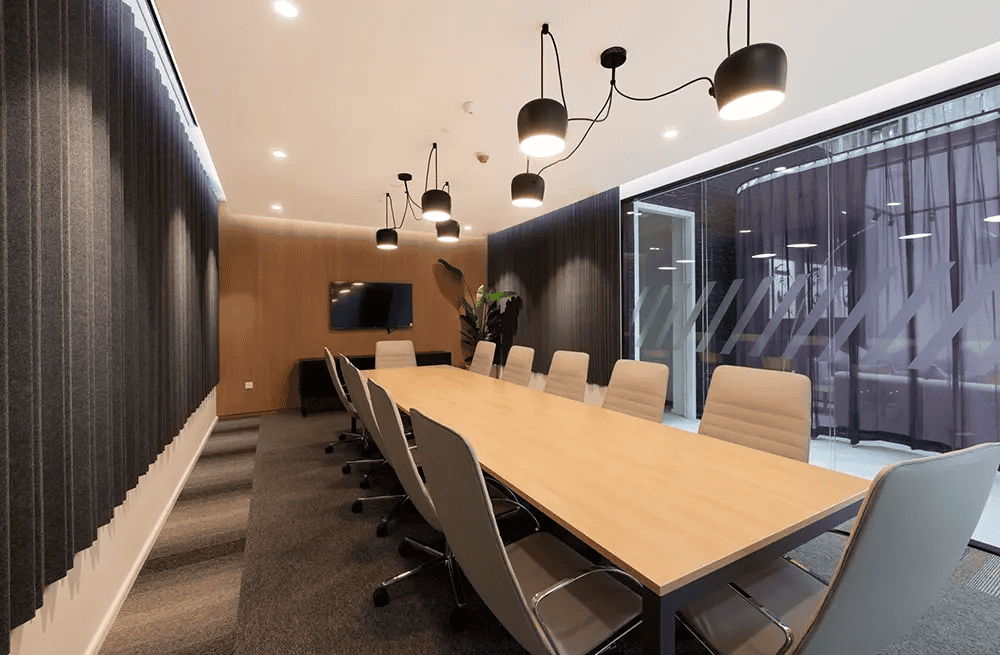
Square footage costs money, yet floor plans frequently prioritize open areas while leaving essential items to collect in corners. Empty spaces look great on paper, but a workplace needs a home for physical files, extra hardware, and supplies to remain functional.
Efficient planning keeps these items tucked away so that daily work proceeds without obstacles. Hiring the best commercial fit out contractors helps integrate these solutions during the initial design phase.
Creating a tidy atmosphere:
Physical piles of paper or extra equipment make a room look small and messy. Placing shelves or cabinets in strategic spots keeps surfaces clear. This simple change allows the eye to rest and makes the environment pleasant for everyone inside.
Improving daily speed:
Searching for a single document or a spare cable wastes valuable minutes every day. Dedicated zones for specific tools allow people to grab what they need instantly. Logic in placement means less walking and fewer interruptions to the task at hand.
Custom storage beats standard boxes:
Ready-made shelves from shops rarely fit commercial spaces well. Odd corners stay empty. Tall walls stay bare. Standard depths waste inches. Custom storage solves these gaps perfectly. A good fit out team measures every nook. They build exactly what fits your itemswide drawers for large supplies, narrow slots for documents, deep cabinets for bulky stock. Custom costs a bit extra but pays back through perfect use of every inch.
Making use of every inch:
Tall units or under-desk bins turn dead zones into helpful assets. Vertical space stays mostly unused in typical designs, so utilizing walls helps keep the floor open. This approach maximizes the value of the rent paid for the room.
Reducing workplace stress:
Mental focus drops when a desk is covered in old notebooks and coffee cups. Clearing the visual noise helps people stay calm and stay on track. A place for everything means the mind can stay on the objective instead of the mess.
Preparing for growth:
Business needs change, and having extra capacity allows for easy scaling. Designing for the future means today’s closets can handle tomorrow’s team expansion. Flexible units allow the layout to stay relevant as the company adds more resources over time.